



The festival has an expanding global footprint
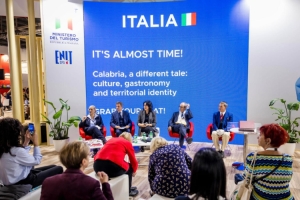
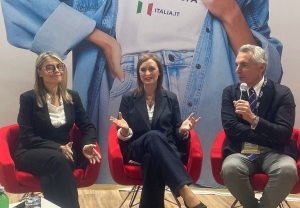
The Calabria event generated remarkable interest among B2B operators, underscoring the region as one of Italy’s most compelling emerging destinations for international travelers. On the stage of Piazza Italia, Calabria Food Fest’s technical director Angela Donato, and creative and marketing director Anthomy Neal Macri discussed the festival’s expanding global footprint. Joining them was Giovanni Maria De Vita from Italy’s Ministry of Foreign Affairs and the central coordinator of the national Italea project. Together they highlighted how Calabria’s identity, heritage, and gastronomy are becoming powerful drivers for international tourism growth.
A festival travel professionals want to sell
Now at its second edition the Calabria Food Fest has already attracted strong enthusiasm from tour operators, travel agencies, and DMCs worldwide. Its unique format - an immersive journey through Calabria’s food traditions, coastal beauty, and authentic local communities - has convinced many B2B partners to integrate the festival into their catalogues. According to Donato and Macri, dozens of new itineraries have been designed around the festival, with agencies reselling the experience as a standalone product or as part of broader regional packages. From culinary tours and cultural routes, to slow-travel itineraries and diaspora tourism options, the Calabria Food Fest has become a catalyst for fresh travel ideas that extend far beyond the event itself.
Calabria and Italea: a strategic partnership
Giovanni Maria De Vita emphasized the alignment between Calabria Food Fest and Italea, which promotes travel experiences related to Italian heritage and roots. Calabria, a region deeply connected with global migration, is particularly significant for diaspora travelers seeking to reconnect with cultural identity through food, local traditions, and community events. The collaboration showcased at WTM London demonstrates how Calabria Food Fest is not only an entertainment and cultural event but also a strategic tool for boosting Italy’s global tourism offer.
Calabria: a region rising on the global stage
This year’s presence at WTM London confirmed what industry professionals have increasingly observed: Calabria is becoming one of the most intriguing regions for international markets. Its combination of authenticity, biodiversity, culinary excellence, and unspoiled landscapes is resonating strongly with travelers seeking meaningful and experience-driven journeys. With the growing international traction of Calabria Food Fest, the region is positioning itself as a must-see destination for cultural travelers, food enthusiasts, and global tour operators looking for fresh, compelling products.
The hotel becomes a living art gallery
In Rome’s central Monti district Casa Monti, a short walk from the Colosseum, an elegant 5-star blend of hospitality and contemporary art, has launched its “Autumn Residences:” two new artistic projects that transform the hotel into a living art gallery.
A suite inspired by light and landscapes
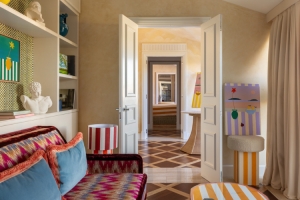
The first project features French artist Ben Arpéa, who has reimagined the hotel’s Roman Suite as an immersive artwork. Drawing inspiration from Mediterranean light and landscapes, Arpéa blends textures, natural pigments, and serene hues to create an installation that blurs the boundaries between art and design: Guests can book private visits to experience the suite, where art books, sketches, and personal objects reveal Arpéa’s creative process. A signature candle, scented with the aromas of Provence, completes the sensory journey. Ph credits Serena Eller Vainicher
The understated luxury and artistic soul of Casa Monti
Neapolitan artist and designer Giotto Calendoli brings a different kind of artistry to Casa Monti with “Stolen at Casa Monti,” a capsule collection that channels the hotel’s intimate and authentic spirit. His collection of clothing and lifestyle objects—plush bathrobes, soft sweatshirts, handcrafted hats, dessert plates, and bottles of extra virgin olive oil—celebrates craftsmanship and the art of living well. Each piece captures the warmth, spontaneity, and understated luxury that define both the artist’s creative world and Casa Monti itself.
A spa, restaurant and rooftop cocktail bar
Beyond this inspired art, Casa Monti remains an ode to Roman dolce vita. The 26 rooms and ten suites, each between 20 and 55 m2, are individually decorated with eclectic elegance and contemporary twists. The spa, with its panoramic rooftop views, has three treatment cabins and a Jacuzzi, while the restaurant has both indoor and outdoor seating and refined Mediterranean menus. The ground-floor bar and patio invite conversation and relaxation, and the rooftop cocktail bar provides a spectacular vantage point over the timeless skyline of Rome’s bohemian Monti district. For information: https://it.casamontiroma.com
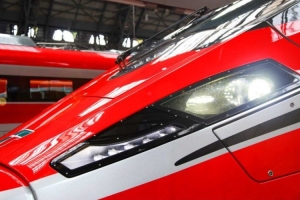
The plan, due to take effect by 2040, will make trains more competitive with airplanes: it will be possible to travel from Berlin to Copenhagen in four hours instead of the current seven, from Sofia to Athens in six hours instead of the current 13 hours and 40 minutes, and from Madrid to Lisbon in about three hours instead of nine.
Reducing travel times between major European hubs
As reported in the Italian daily Corriere della Sera, there will also be a reduction in time for services departing Rome: Berlin will take 10 hours and 15 minutes instead of the current 14 hours and a half (and to Munich it will take six instead of the current 9 hours and 30 minutes), while to Paris it will take 8 hours and 45 instead of almost 11 hours. New cross-border connections are also planned: the Paris-Lisbon route via Madrid and the Warsaw-Vilnius-Riga-Tallin route. The plan is to connect the main nodes at speeds of 200 kilometres per hour or more.
Europe’s 12,000 kilometres of high-speed lines are in just a few countries
The Commission has also developed a plan to stimulate investment in renewable and low-carbon fuels for the aviation and maritime transport sectors. “Aviation and maritime transport are much more difficult to electrify, which makes the rapid deployment of sustainable fuels even more crucial,” said executive vice-president Raffaele Fitto when presenting the new plans with transport commissioner Apostolos Tzitzikostas, who pointed out that "the 12,000 kilometres of high-speed railway lines in Europe are still concentrated in a few member states: Spain, France, Italy and Germany, while central and eastern Europe unfortunately still remains poorly connected. And this must change.”
“It will bring tourists closer and simplify business across the EU”
Fitto recalled that when it comes to railways “Europe is already a leader in terms of sustainability,- pointing out that the new plan - is crucial for competitiveness, but it also has an important dimension of cohesion: it will bring tourists closer and simplify business across the EU.”
Improving cross-border railway reservation and ticketing systems
The completion of the planned high-speed network by 2040 will cost around €345 billion, “while a more ambitious network operating at very high speeds (over 250 km/h) – according to the - could cost up to €546 billion by 2050.” Brussels also intends to take action on the travel purchase front: in early 2026, the Commission will propose a law to improve cross-border railway reservation and ticketing systems, thus making it easier for passengers to plan and book journeys involving the use of several trains in different countries.
Tickets are already on sale
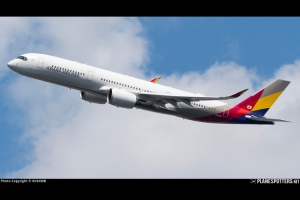
Fresh from its merger with Korean Air, Asiana Airlines has already put tickets on sale for the new flights, which will operate three times weekly. Flights will be operated on Tuesdays, Thursdays and Saturdays, effectively integrating with Korean Air's flights already operating on the same route and thus making the service between Incheon and Malpensa airports daily.
More Asiana flights to European cities
The schedule envisages take-off from Incheon airport at 13:40 and arrival in Milan at 20:00 local time. From Malpensa Airport, flights will depart at 22:00 local time and land in Seoul at 16:40 the following day. The expansion of Asiana's European network also includes the debut of the route to Budapest, starting 3 April 2026. Both the Milan and Hungary routes will be served by Airbus A350s, configured in two classes of service: 28 seats in business and 283 in economy. And in September next year, Asiana will up its Incheon-Barcelona connections from five times a week to daily.
“New and different travel options in Europe”
“With these new routes and increased frequencies,- says a note from the airline, -we aim to offer passengers new and different travel options in Europe, while contributing to the promotion of economic and cultural exchanges with major European cities.”
Wax was widely used in the preparation of sculptures
The exhibition entitled “Wax once. Sculptures from the Medici Collections” will run from 16 December 2025 to 12 April 2026 and is dedicated to the Florentine wax art between the 16th and 17th centuries. At a time when science and art mirrored each other, wax became a tool to reproduce life, to study the body, to evoke the divine. In rooms that once belonged to the Medici, the sculptures reveal how the sculptor's gesture mingles with that of the anatomist. And from these rooms begins a journey that extends beyond Florence, throughout Tuscany: an itinerary of matter, form and knowledge.
Europe’s oldest scientific museum
Just few steps beyond the Uffizi, there is a place that seems to have been born to continue this tale, La Specola, oldest scientific museum in Europe which houses beautiful sculptures as well as an equally surprising collection. that of botanical waxes in an artificial garden of over two hundred plants modelled with such precision as to seem alive, born of that Renaissance curiosity that sought to reproduce nature in order to better understand it.
Wax models and wax used to produce porcelain
But Florence is also the city where wax becomes the first step towards the eternity of bronze. At the Bargello National Museum in the rooms dedicated to Baroque sculpture, the wax models of Benvenuto Cellini, Alessandro Algardi and Massimiliano Soldani Benzi tell of the secret phase of creation: when the artist studies form and light before entrusting everything to the fire of fusion. Those little waxes are like three-dimensional notes, the echo of a thought that still vibrates in the material. And in the nearby Ginori Museum in Sesto Fiorentino wax once again has a different but equally fascinating function: a preparatory material for porcelain, a bridge between the world of artistic workshops and that of manufacturing.
Rediscovering Tuscany through its sculptors an craftsmen
Further south in Siena, in the Leonetto Comparini Anatomical Museum there is a collection that testifies to a passion for knowledge and observation. The anatomical waxes here are skulls, fetuses, body sections, studies of pathology and obstetrics. In Pisa too, among the University's historic lecture halls, wax continues to be a key to understanding the world. The Filippo Civinimi Museum of Human Anatomy displays anatomical models and didactic preparations that trace the genealogy of modern medicine. So wax is not only the protagonist of the Uffizi’s Wax once. Sculptures from the Medici Collections exhibition, but an invitation to rediscover Tuscany on a journey into the living substance of beauty through the hands of its sculptors and the work of its craftsmen.
Discovering Sicily’s hospitality beyond traditional hotels
Reaffirming Sicily’s growing role as a leader in experiential and sustainable tourism, the 9th Extra-Hotel Tourism Exchange, under the auspices of Confesercenti Sicilia, the regional branch of Italy’s confederation of small businesses, will run on November 15 and 16. It is expected to attract some 2,000 participants, from local businesses to travel professionals, and international buyers looking to discover the island’s rich hospitality beyond traditional hotels.
“Helping increase the GDP of destinations in Sicily”
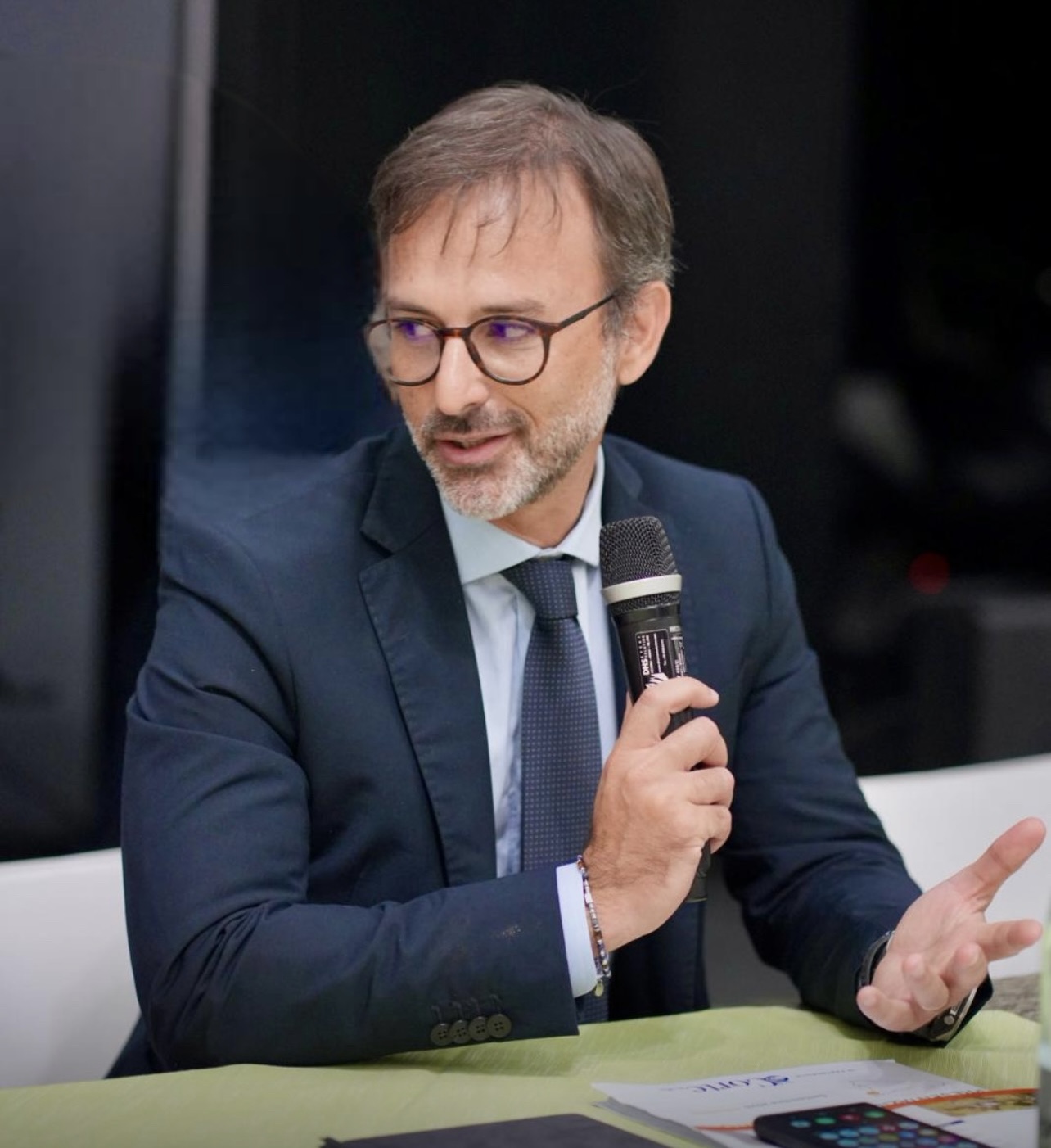 The event will focus on understanding and enhancing the extra-hotel sector’s contribution to local economies. “We have commissioned a detailed research report from the Centro Studi Turistici of Florence,- explained Salvo Basile, regional coordinator of Assoturismo Confesercenti Sicilia. -It analyzes the phenomenon of extra-hotel tourism in depth, to understand how it can help increase the GDP of destinations in Sicily, especially by comparing them with other Euro-Mediterranean islands.”
The challenge of depopulation
The study also addresses key challenges such as social desertification - the depopulation and decline of small towns - exploring how tourism can help reverse the trend. “When we talk about desertification,- Basile continued, -we mean the social and economic emptiness that affects many small communities. Tourism can act as a regenerative force, encouraging young people to stay and set up business in their own territories.”
Seminars on AI, governance and brand reputation
Other important themes this year are sustainable destination management and the role of technology in the future of tourism. The programme includes seminars on AI applications, governance, and brand reputation, featuring representatives from major online travel agencies such as Airbnb, Booking.com, Expedia, and Wonderful Italy. “Our goal is to promote an authentic form of hospitality, one that goes beyond traditional hotels and reflects Sicily’s true identity and community spirit.”
An ItaliAbsolutely fam trip for 20 international buyers
The two-day Palermo exhibition will include B2B meetings with twenty Italian and international tour operators and ten DMCs specialized in inbound tourism. Alongside the professional sessions, there will be an exhibition space designed as “an accelerator of encounters and an incubator of ideas,” fostering collaboration between private and public stakeholders. Adding an international dimension, ItaliAbsolutely has organized a fam trip for twenty European and Italian inbound buyers. After exploring Palermo they will take part in B2B meetings at the Extra-Hotel Tourism Exchange to experience firsthand the island’s hospitality and discover a Sicily that welcomes tourists as locals, offering them immersive, authentic travel experiences.
For information: https://borsaturismoextralberghiero.it
A Ferryhopper discount is the perfect Xmas gift
Facilitating winter returns and departures and rewarding users with a discount that is the perfect gift to put under the tree, Ferryhopper’s campaign, with the slogan “Home is just a ferry ride away”, is aimed at those wishing return home or leave for Italy's best-loved islands during the festive season.
Easy and reliable booking experiences
Ferryhopper, the leading ferry booking platform, is offering an extra 20% discount on ferries to Sicily and Sardinia., making it easier to organize festive travel. "We know how important it is to come home for the holidays or to leave for holiday time in a place you love. With this campaign we want to be part of the journey of those who return and those who choose to experience the sea even in winter,- says Cinzia Corroppoli, country manager Italy of Ferryhopper. -The journey home, or to one's favourite destination, is…a journey of emotions, an opportunity to slow down. Our aim is to make it as easy as possible by offering an intuitive, reliable and convenient booking experience. We hope that the extra discount will allow more and more people to discover how easy it is to plan a trip with us, even at the busiest time of the year."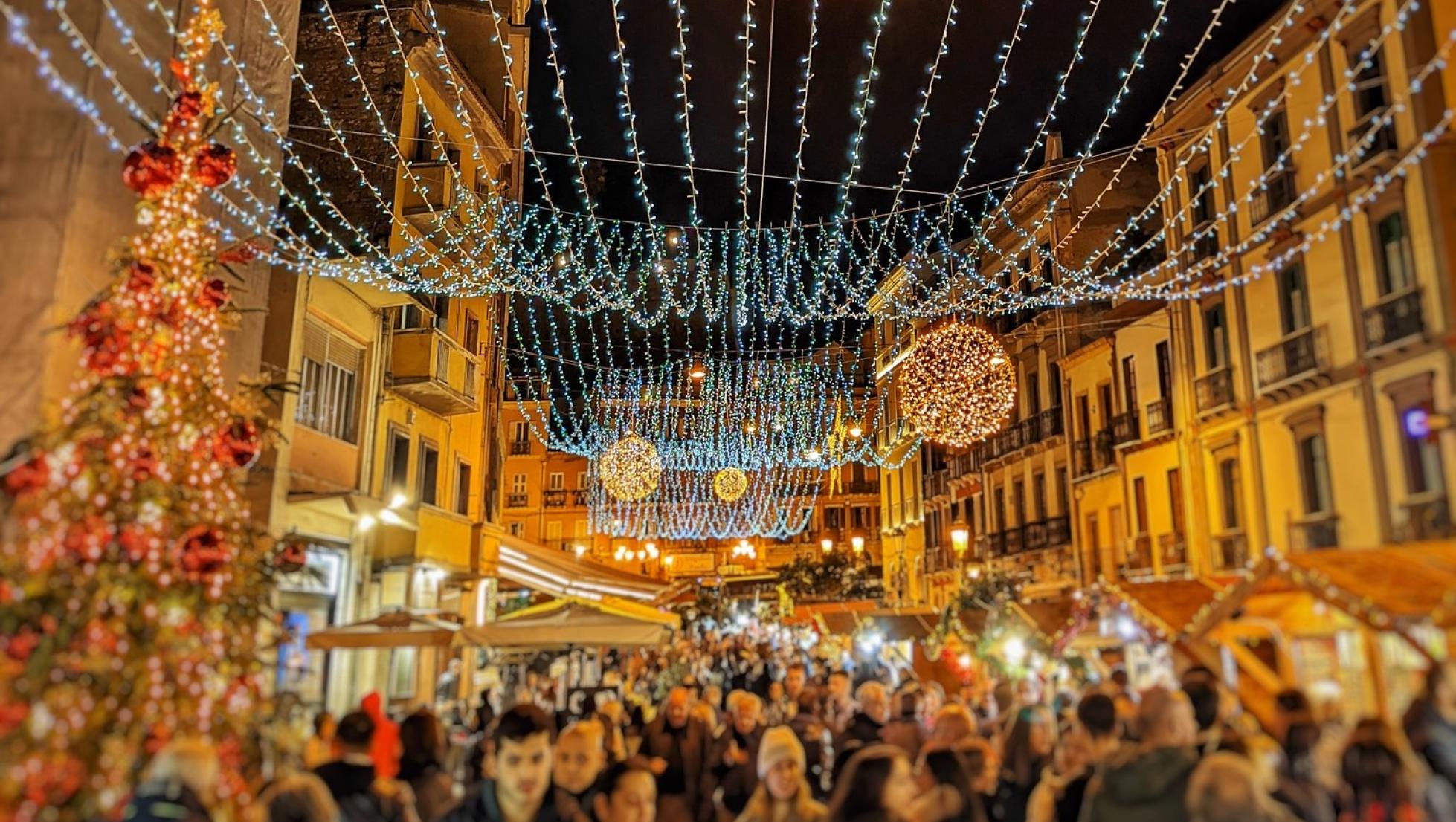
The discount code is valid up to 11 January 2026
The FERRYXMAS code will be active until 16 November, redeemable exclusively through the Ferryhopper app, with a maximum limit of uses and valid for departures until 11 January, thus keeping the heart of the festive season within its range. The discount can be applied to routes from the mainland to Sicily and Sardinia and vice versa . The routes for Sardinia are: Livorno-Olbia/Golfo Aranci; Civitavecchia-Olbia/Cagliari/Porto Torres/Arbatax; Genoa-Porto Torres; Naples-Cagliari; Palermo-Cagliari. The routes for Sicily are: Naples-Palermo/Termini Imerese; Genoa-Palermo; Livorno-Palermo; Civitavecchia-Palermo/Termini Imerese; Salerno-Messina; Villa San Giovanni-Messina; Reggio Calabria-Messina. For information: (https://www.ferryhopper.com/it/)
Quick and easy access to essential travel information
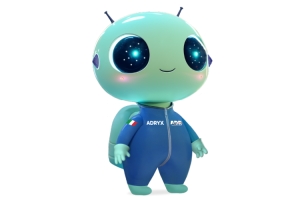
Aeroporti di Roma has introduced this cutting-edge solution, developed in collaboration with Amazon Web Services (Aws) and Storm Reply, which responds concretely to the most urgent needs of travellers by providing real-time information and support. The Virtual Assistant offers passengers quick and easy access to essential travel information, accompanying them throughout their airport experience. Available via ADR's WhatsApp chatbot and the official website, the new digital tool - through Aeroporti di Roma's official mascot Adryx - allows travellers to stay informed at every stage of their journey, providing them with real-time flight updates, directions on airport services and personalized recommendations for a pleasant experience inside the terminals.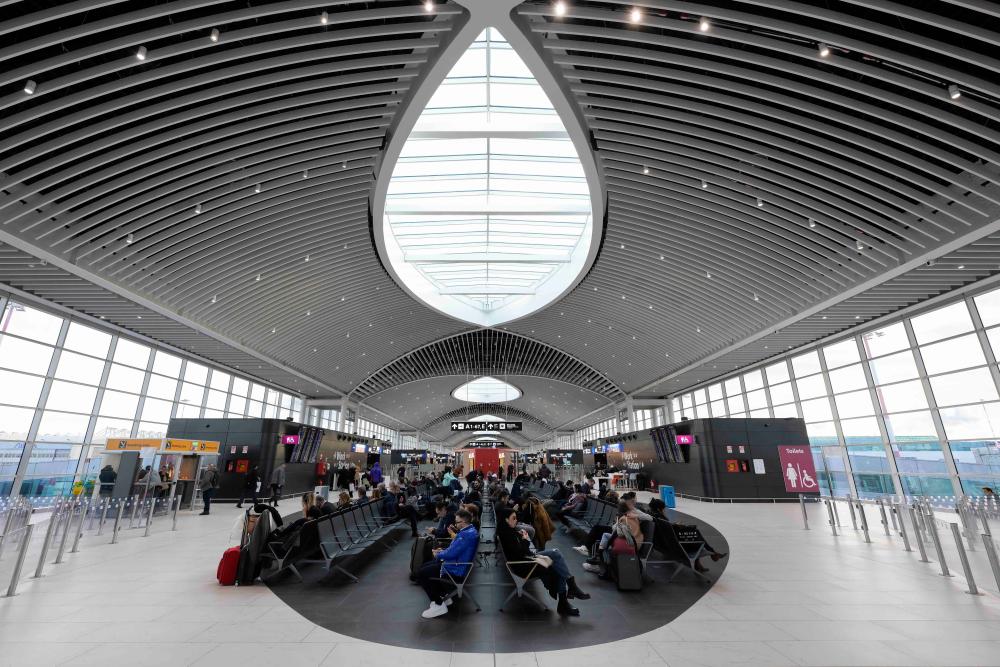
“Personalized support to approximately 50 million travellers”
“From the first “Buongiorno” to the last “Arrivederci”, we are committed to offering a smooth travel experience that combines Italian hospitality with technological innovation,- says Emanuele Calà, senior vice president transformation & technology Aeroporti di Roma. -The Virtual Assistant allows us to provide personalized support to the approximately 50 million travellers passing through our airports.”
The new Virtual Assistant uses text or voice messages
The Virtual Assistant interacts naturally with ADR passengers through text or voice messages, including: real-time flight information; parking availability; information on buses, taxis, trains to get to or from the airport; recommendations o restaurants, shops, malls and more. It also provides precise information on baggage pick-up points and baggage status; personalised guidance for travellers on connecting flights with communication in multiple languages and more features twill be added in the coming months.‘The AI-based Assistant is a distinctive example of how AI can seamlessly integrate into everyday user experiences, providing powerful yet unobtrusive contextual support to travellers,’ said Filippo Rizzante, Chief Technology Officer at Reply. ‘By combining multi-agent orchestration with AWS's generative AI services, we enabled the Assistant to handle complex queries in real time securely and efficiently across multiple languages and contexts.’
“Navigating one of Europe's busiest airports is easier and more enjoyable"
"Aeroporti di Roma's Virtual Assistant demonstrates how generative artificial intelligence can significantly transform passenger experiences, says Julien Groues, VP AWS France and Europe South. -We have created a solution that makes navigating one of Europe's busiest airport systems easier and more enjoyable."
A conference on the Benedictine cultural heritage
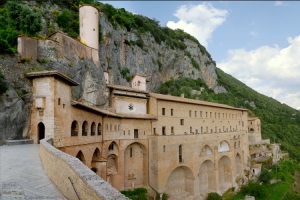
Lazio monasteries have long offered travelers a journey through centuries of faith, art, and culture, and today they are more accessible than ever thanks to digital innovations that allow visitors to explore them in 3D and augmented reality. From November 25 to 28, 2025, these Benedictine sites will host the international conference “Benedictine Landscapes: Territory, Cultural Heritage and Spirituality”, promoted by the DTC Lazio Center of Excellence to explore how technology can preserve and tell the story of Italy’s monastic treasures.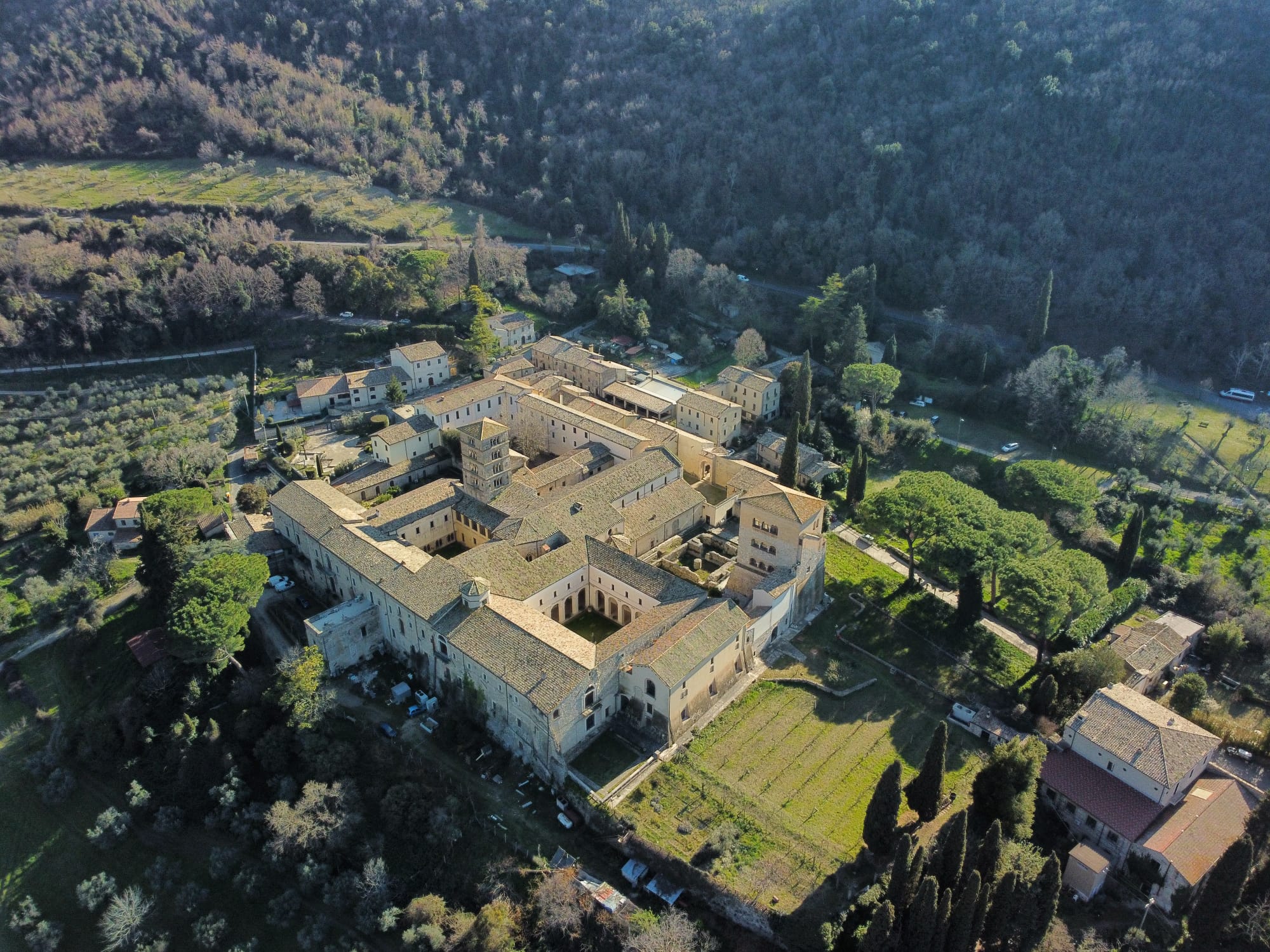 Abbazia di Farla - ph credits Fabrizio Mei
Monasteries have a new virtual dimension
Saint Benedict of Norcia, in the 6th century, established his famous rule ora et labora - pray and work - which shaped European identity. His monasteries were self-sufficient communities integrated into their landscapes, and became centers of learning, art, and devotion. Today, they remain serene destinations for travelers seeking silence, history, and beauty, and now they have a new dimension thanks to virtual tours.
Augmented reality reveals invisible details
Subiaco’s Sacro Speco Monastery, perched in the cliffs above the Aniene River, houses the Chapel of Saint Gregory. Thanks to Geolander.it, a digital twin of the chapel now allows visitors to explore its frescoes in augmented reality, revealing details invisible to the naked eye. Further south, Montecassino, symbol of resilience after World War II, comes alive through the Memory of Montecassino - Virtual and Accessible Museum, with 3D reconstructions of monastic libraries and interactive tours. The journey concludes in Farfa, in the Sabine hills, where the ancient abbey has long welcomed pilgrims and travelers alike, combining heritage, hospitality, and sustainable tourism. 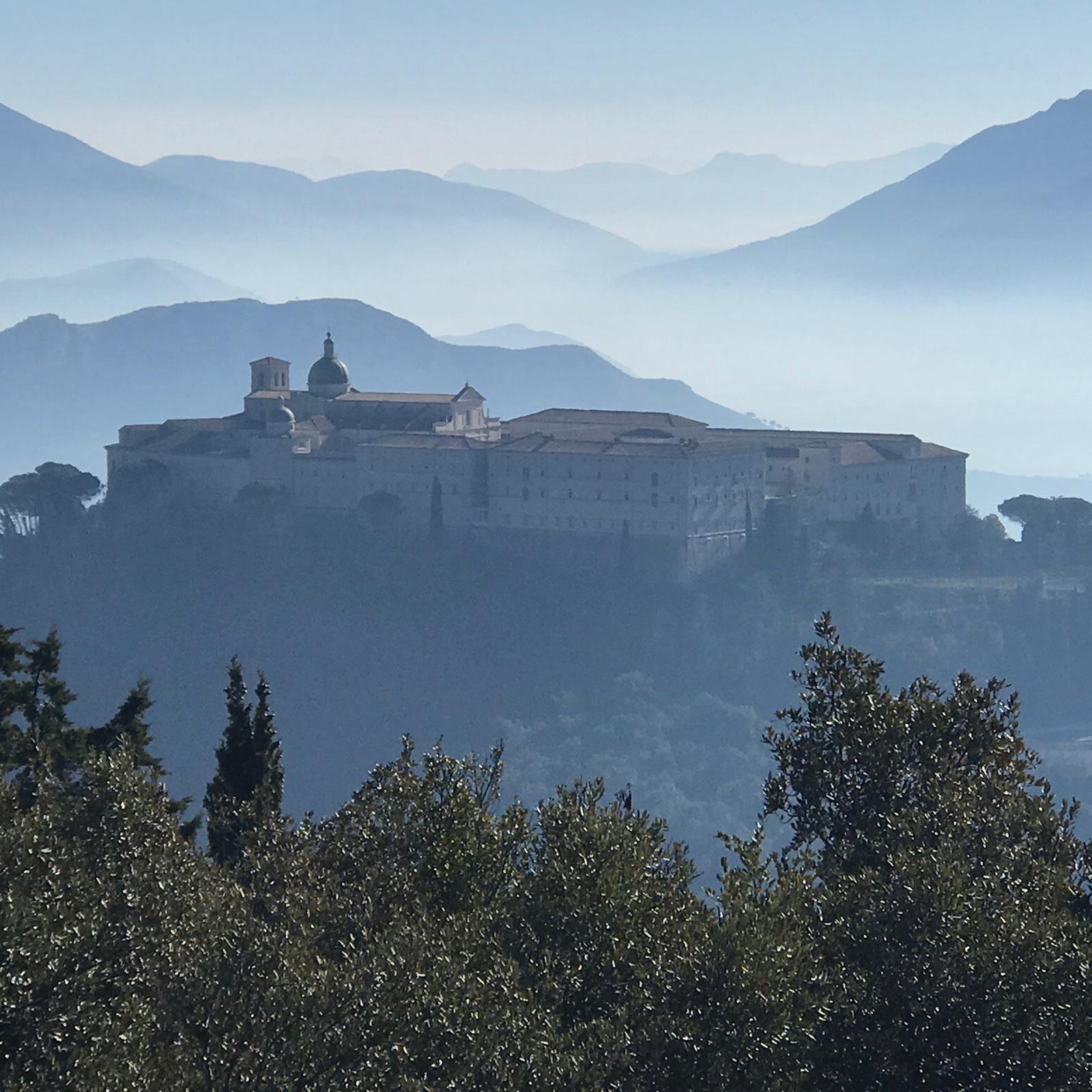 Montecassino
Saint Benedict’s legacy is now available to everyone
Lazio’s Benedictine landscapes show how faith, history, and digital innovation can allow travelers to explore centuries-old monasteries in entirely new ways. Today virtual tours, augmented reality, and interactive 3D models are making the enduring legacy of Saint Benedict available to everyone. For information: dtclazio.it
Lazio is drawing growing numbers of walkers
In an overview of the region’s presence on the national and international scene, special attention was given to its walking routes which have recently changed both in terms of tourism and experience. “The Latium region is popular for its walking routes, so much so that it has become a pivotal focus for many foreigners, but also for Italians,- said Ivana Jelinic. - Of course this change in our behaviour must be intercepted and then transformed into a tourist product.”
A desire to get closer to nature
“Today time is the great luxury that we all want at our disposal. So are authentic experiences. When people who live in large cities and are subjected to enormous daily stress, find they have time on their hands, they choose to get close to nature and slow down their pace - something we are unable to do in everyday life. What the Lazio region has done in an intelligent way is to focus on a theme that is a trend, but also a need. Of course, it’s the role of politics and institutions to outline the vision—but it’s the tourism professionals who bring those ideas to life. So we must always give maximum support to the professionals to allow them to work freely.”
Lazio has over 2,000 kilometres of walking routes
"The Lazio region can be defined as the region par excellence of walking paths. Two thousand kilometres of paths - I’m thinking of the Via Francigena, the Way of St. Francis, and the Way of St. Benedict. said Elena Palazzo. -We have an immense heritage on which we are trying to focus a great deal of attention, and we are looking at it as a form of slow tourism by which I mean experiential tourism. We are working to invest in a widespread hospitality network. How did we start?
Upgrading facilities for healthy tourism
From 2024 to 2025 we started by investing almost €2 million to make these walking paths safe. We have done some work on signposting, and we have also given the businesses that are on the paths the opportunity to promote themselves. The region’s task is to build connections among all of Lazio’s diverse potential - from the sea to the art cities, from culture to historical tourism. For 2026 we have invested €1 million in sports and health. Which we can of course link to the walking paths, which are itineraries for healthy tourism, but also places for outdoor sports. It is therefore a fundamental link that brings together the various clusters.”



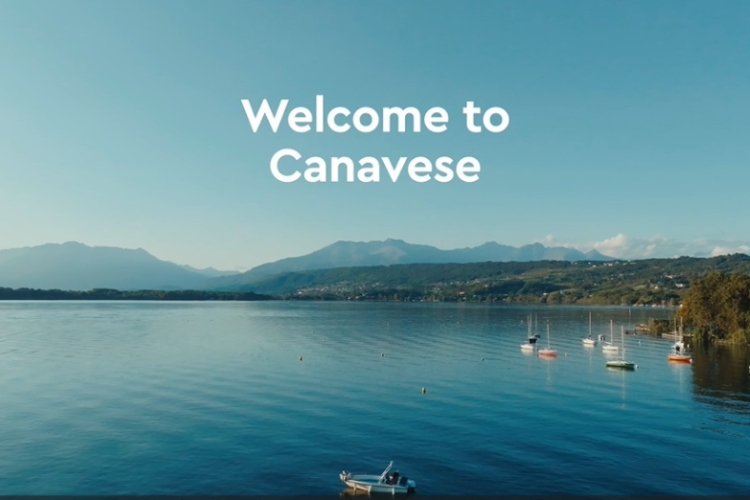
Welcome to Canavese, an unexpected corner of Piedmont where …
259Welcome to Canavese, an unexpected corner of Piedmont where …
259