

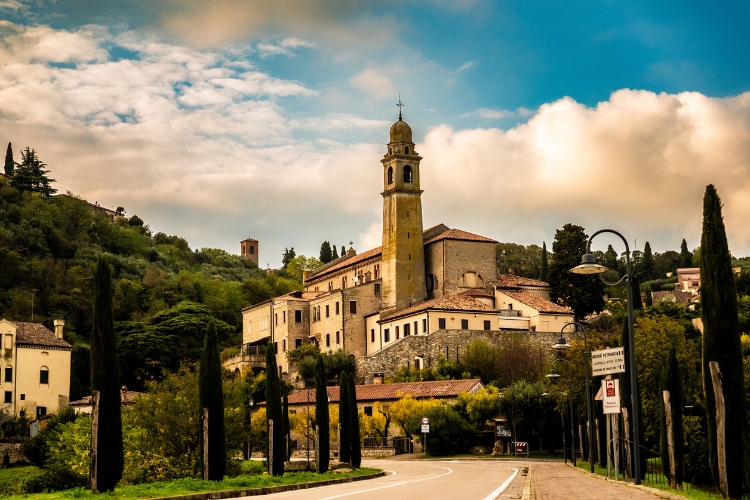

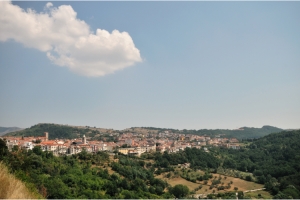
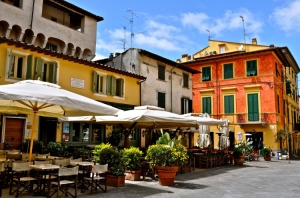


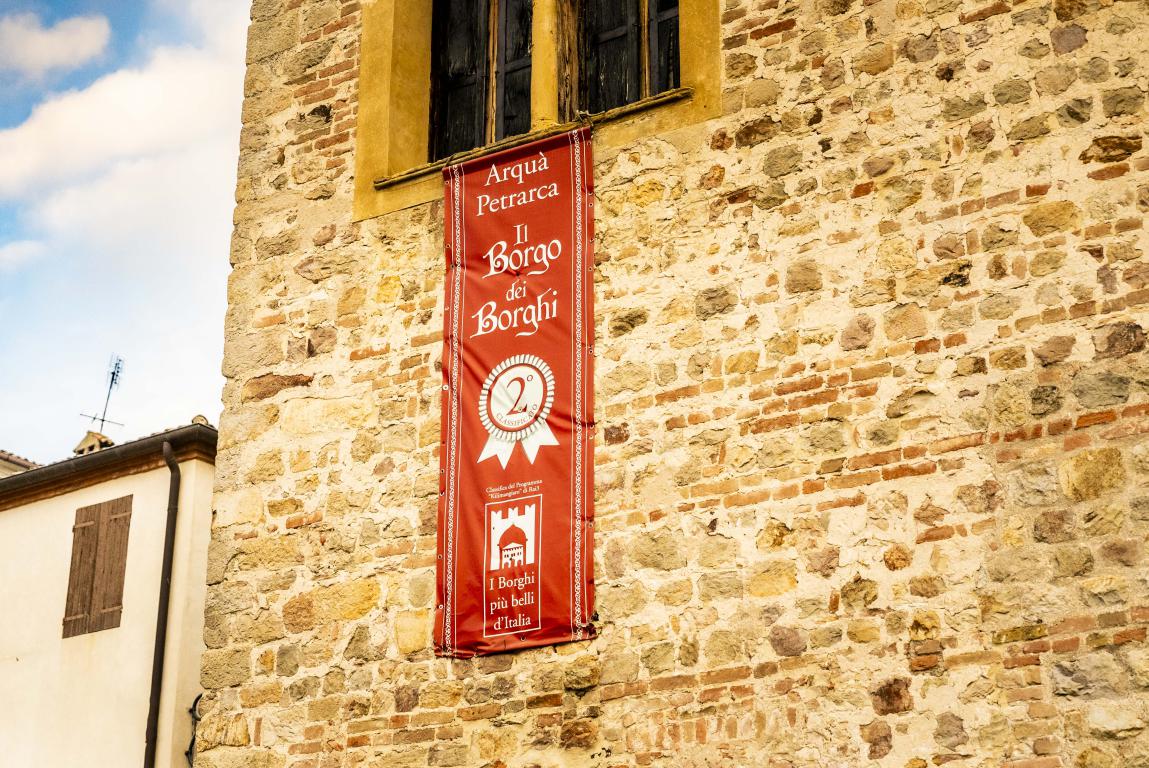
Set in the Euganean Hills Park, and since 2024 a UNESO Biosphere Reserve, Arquà Petrarca is a medieval village.
Home to the poet Petrarca whose house is now a museum
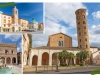
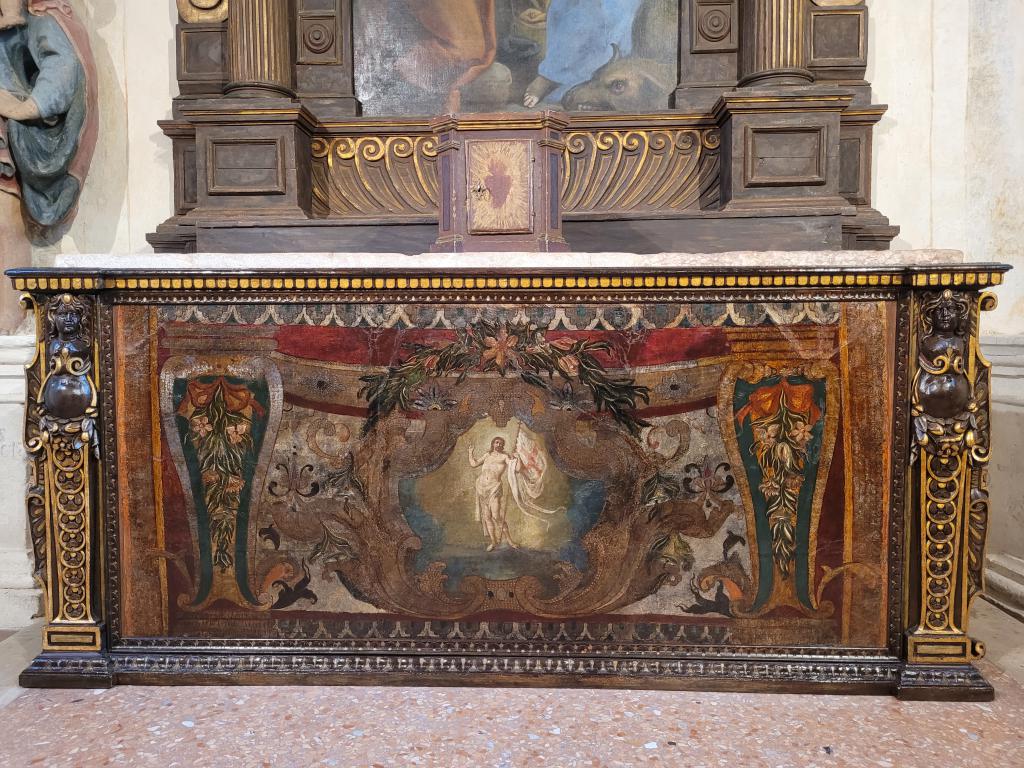
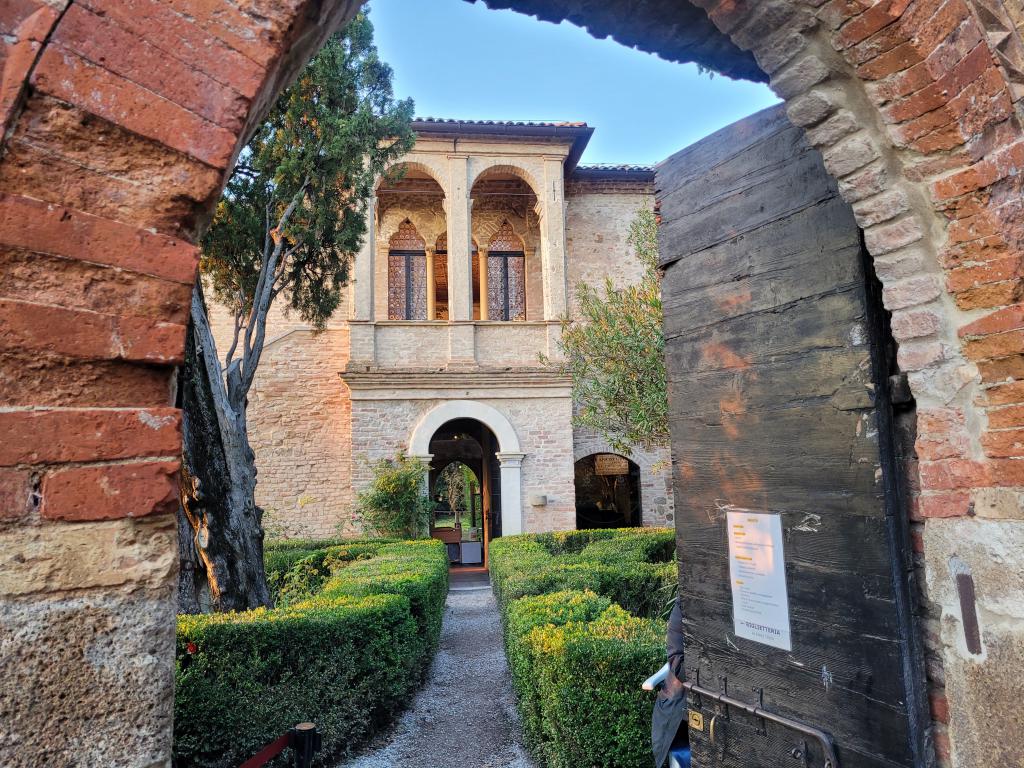
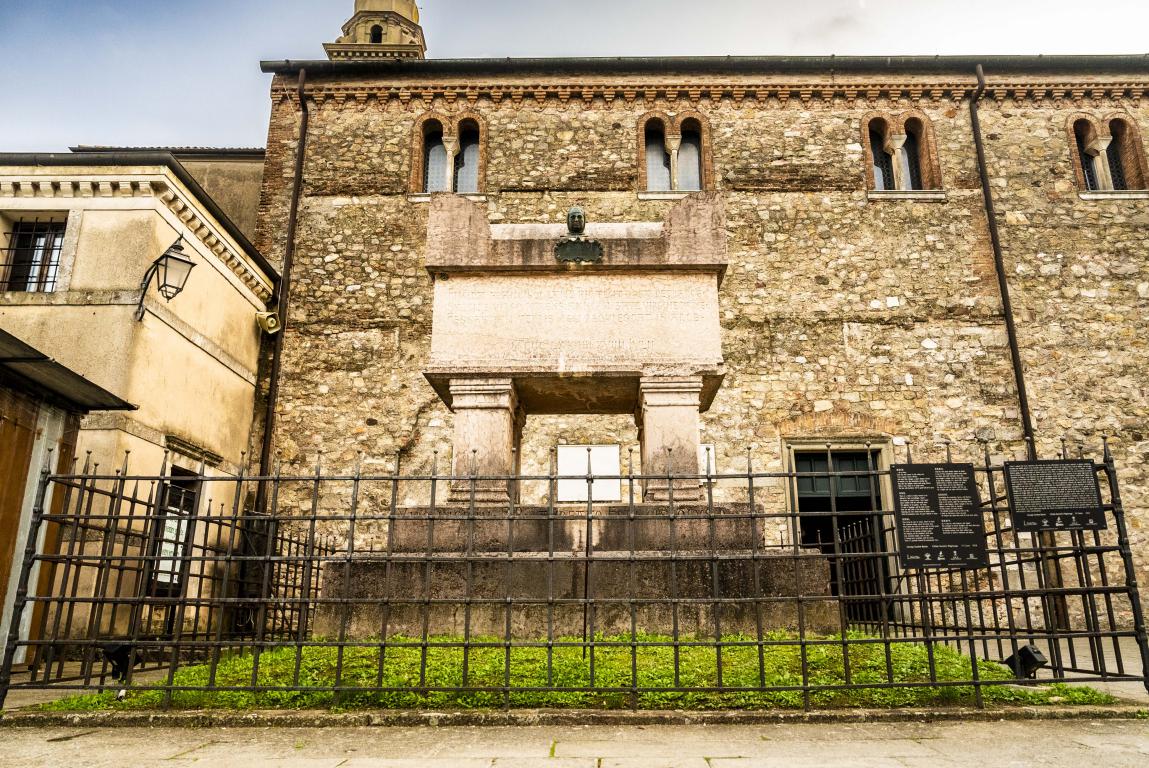
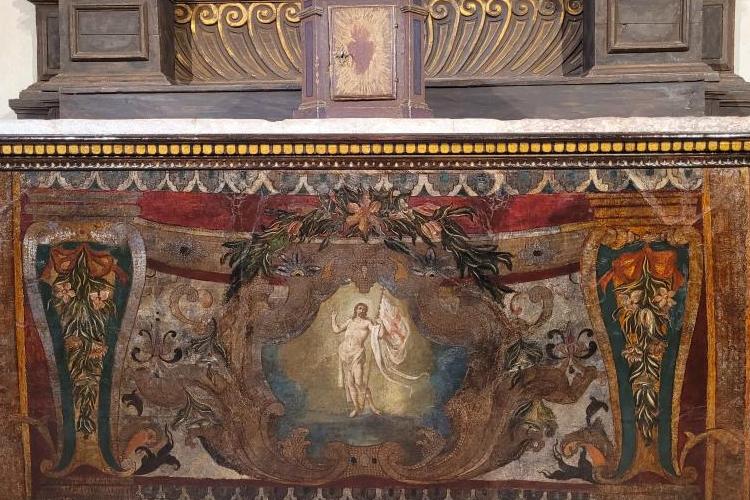
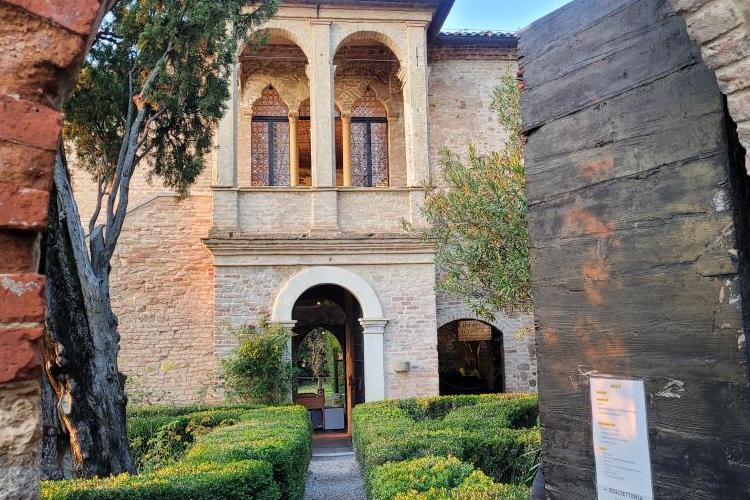
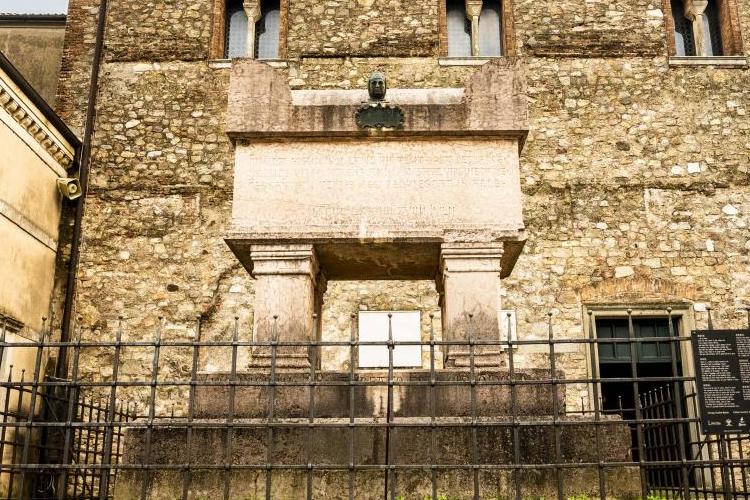
With its mediaeval allure intact, this Veneto town with cobbled streets and historic palazzi is famous for having welcomed the famous 14th-century poet Francesco Petrarca in his last years of life. The Casa del Petrarca, now a museum, bears witness to the poet's stay in the village from 1370 until 1374, the year of his death. The house has period furnishings, documents and 16th-century frescoes recounting episodes from the poet's life, but the village is rich in many other historical and cultural points of interest. One such is the church of Santa Maria Assunta, dating back to 1026 which houses precious works of art, including a high altar. The monumental tomb of the poet Francesco Petrarca is located outside the church.
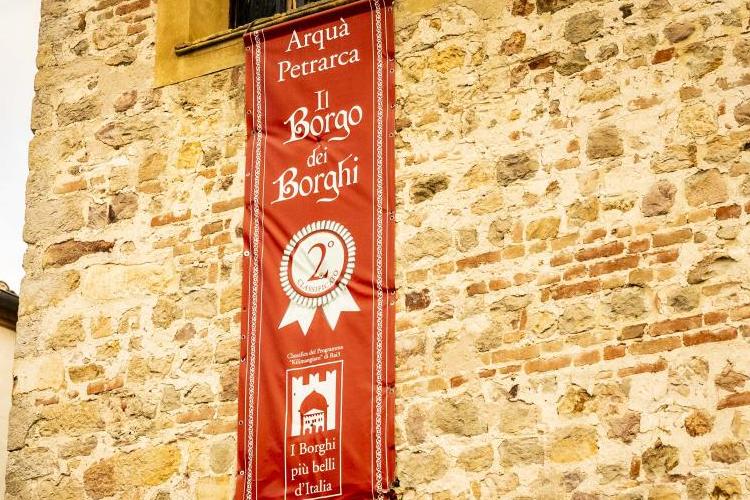
“Arquà was recently recognized as one of the Best Tourism Villages”
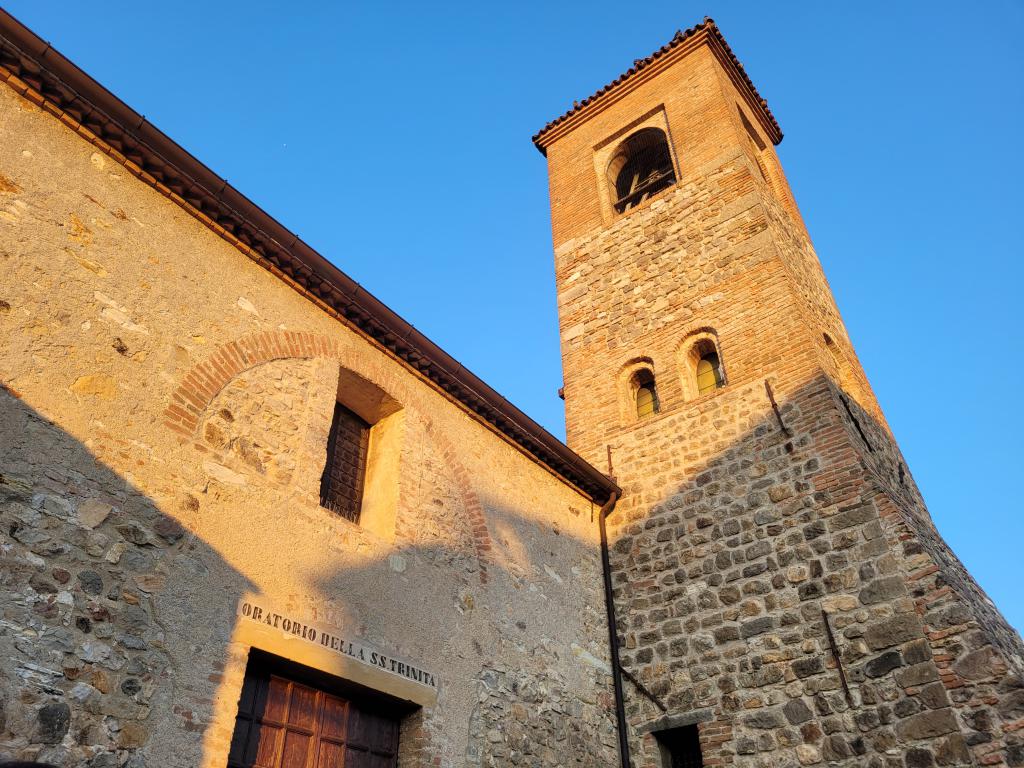
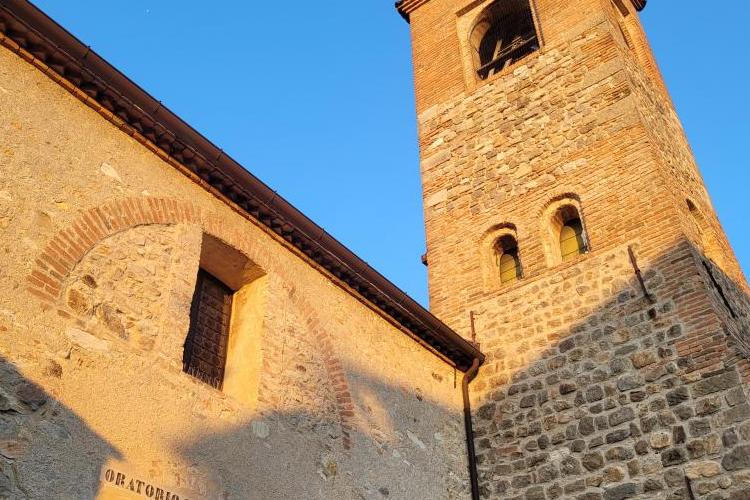
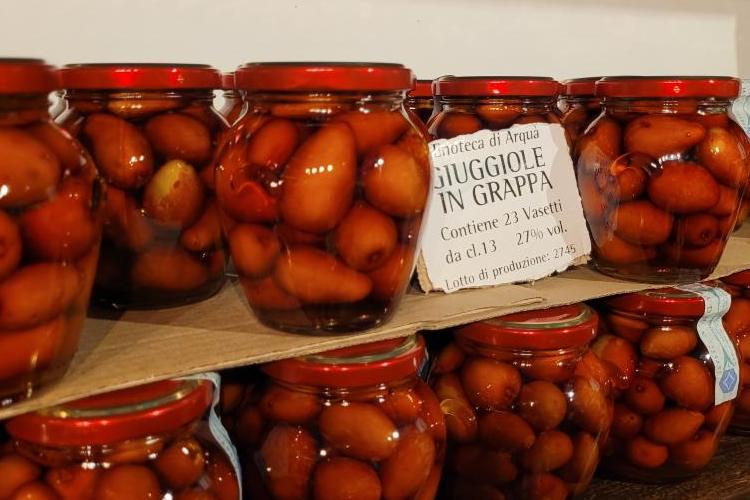
Equally important are the 14th-century frescoes in the Oratory of the Holy Trinity and the collection of historical pianos housed in the Museum of Antique Pianos at Villa Centanin. Visits to the museum, including guided tours, are open to groups by appointment. Pianos are also the protagonists of concerts organized by the Foundation. “Arquà was recently recognized as one of the Best Tourism Villages for the 2025 edition of the UN Tourism Initiative,” says Andrea Schivo the mayor of Arquà Petrarca. This title ais given to destinations that protect their socio-cultural and enogastronomic identity, transforming it into a lever for development, and focusing on innovation and sustainability. “Petrarca has 1,790 inhabitants and about 15 restaurants. This shows our strong commitment to promoting the area's typical food and wine products, which are of superior quality.” La Montanella restaurant is pointed out as being the best choice to discover the authentic flavours of Euganean cuisine.
Cycle and pedestrian routes and local wineries
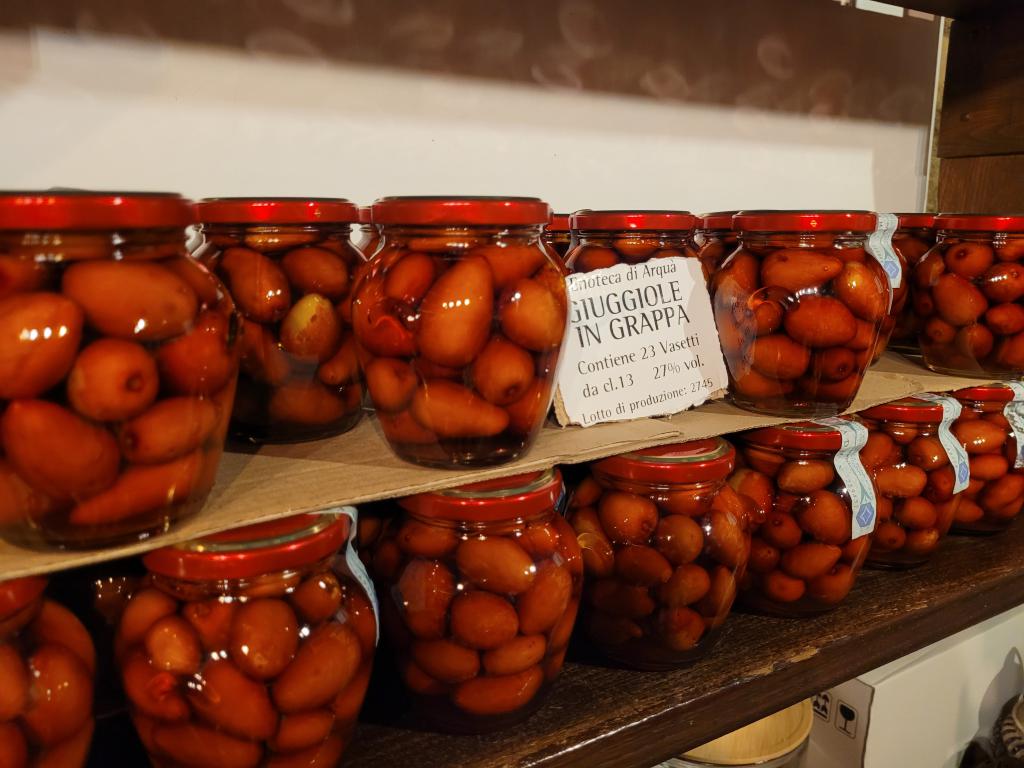
The area offers a network of cycle-pedestrian routes connecting the village to the Euganean Hills and neighbouring towns such as Galzignano Terme; these are ideal slow tourism ways to discover the landscape, local products and wineries and are flanked by food and wine events and festivals that enhance the area's food and wine specialties and attract visitors throughout the year.