



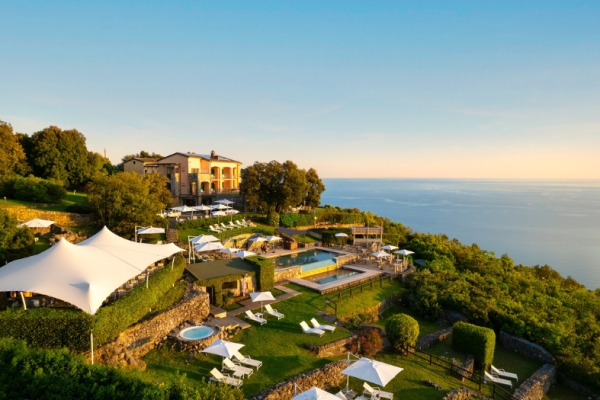
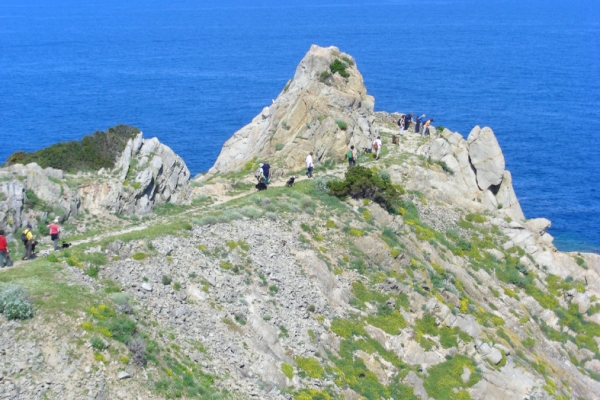
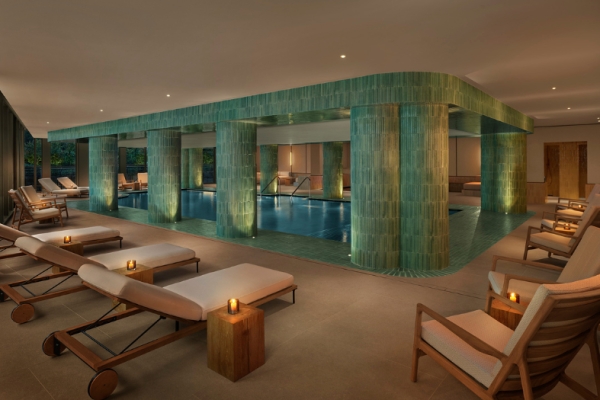

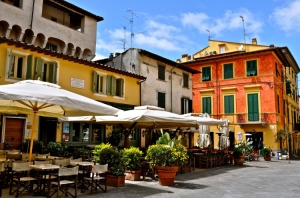
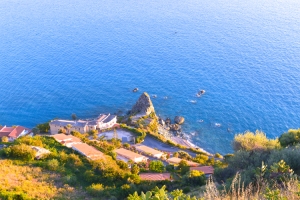
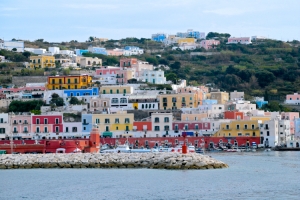


Italy is emerging more and more prominently in the worldwide imagination of tourists, particularly on foreign markets, as a top destination in which to experience a unique lifestyle, narrated through places, people, stories and traditions. Italy is not just a journey, but a lifestyle choice, a holiday experienced with calm, mindfulness, curiosity, and sensitivity. Today’s travellers are in search of authentic encounters, meaningful experiences, and deep cultural insight, and Italy is an inner landscape, a journey of spiritual enrichment, where travellers blend seamlessly into the scenes they encounter.
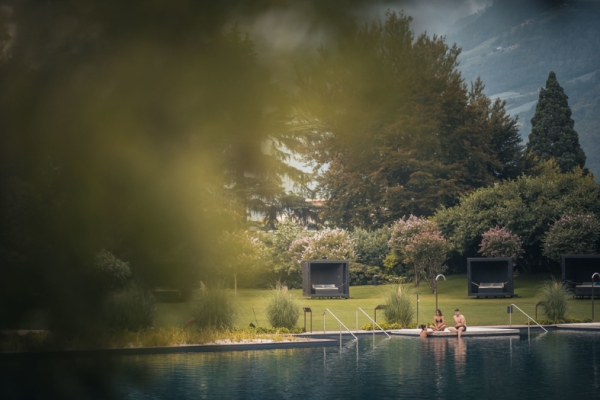
The trend of experiential tourism in Italy in 2024 wass significantly centered around wellbeing: 215,000 tourists who came for holidays dedicated to mental and physical wellbeing, 130,000 who went on spiritual walks and pilgrimages, 415,000 who chose green experiences, and over a million opting for food and wine itineraries. (Data from the ENIT Studies Office based on Bank of Italy sources.) Economically: €112.1 million were spent on wellness (+11.4 %), €92.1 million on spiritual walks, €363 million on wine and food (+9 %) and €405 million on green tourism (+9.5 %).
These figures clearly show how regenerating experiences are perceived as an added value. Tourists devote their trip not only to relaxation, but to inner and cultural enrichment, in a continuum linking regional recipes, rural landscapes, nature trails and shared experiences in village settings. This expression of Italy’s identity holds strong appeal for many international markets that are more attentive to ecological and identity values - Germany +13 %, Austria +11 % and the United States +37 % in the wellness and spirituality segments, and the United Kingdom +64 %, Germany and the Netherlands +51 % in food and wine and green tourism. Today’s traveller is a modern, proactive, aware tourist and he is eager to live the “Italian experience” in its most authentic and profound form. A holiday is not just a visit, but participation, contamination and personal growth.
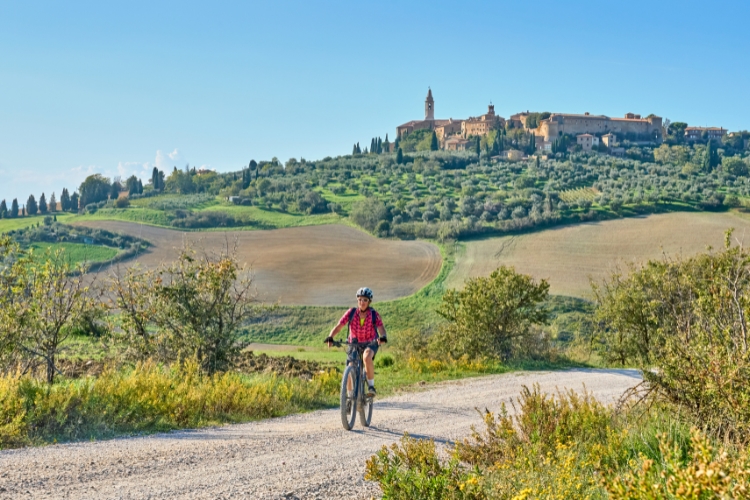
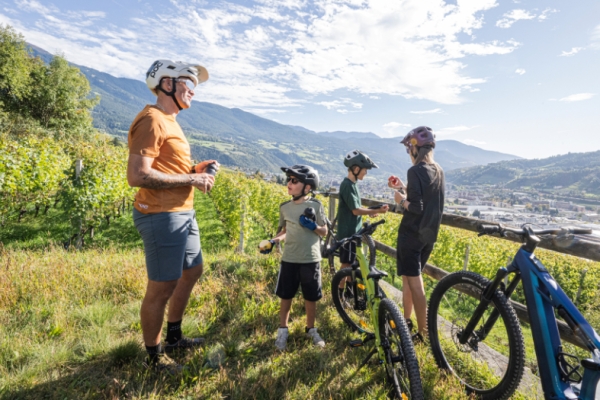
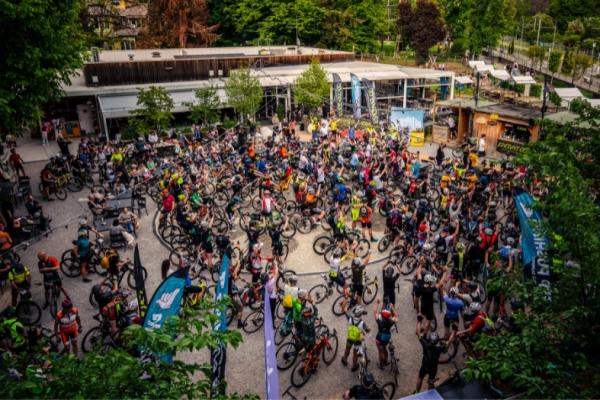
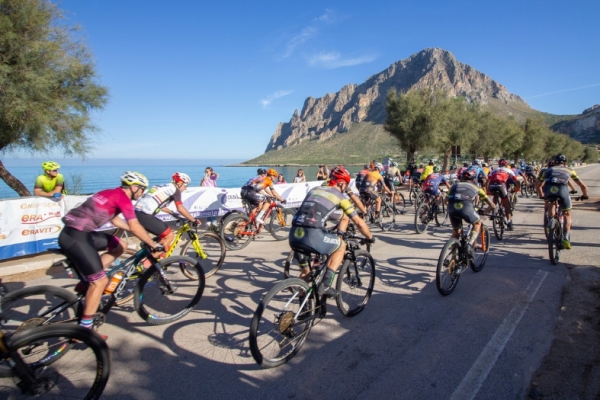
Active holidays participate transversally in these experiences. Cycle tourism, for example, is an emblem of slow tourism. Italy also rediscovers itself in cycling, ranging from excursions (89.1 %), to sporting activities (31.5 %), visits to villages (31.4 %), historic towns (29 %) and natural settings (13.2 %). In fact there were more than 33 million overnight stays for cycle tourism, with an expenditure of €4 billion - a clear sign of a phenomenon that has exploded since the pandemic and is still growing strongly. The bicycle tourist crosses territories, discovers off-the-beaten-path areas, coming into contact with local communities an follows a slow-tourism trail that has a strong socio-economic impact. Soft mobility thus becomes a vehicle for sustainability, a stimulus to the rural economy, and a tool for environmental protection.
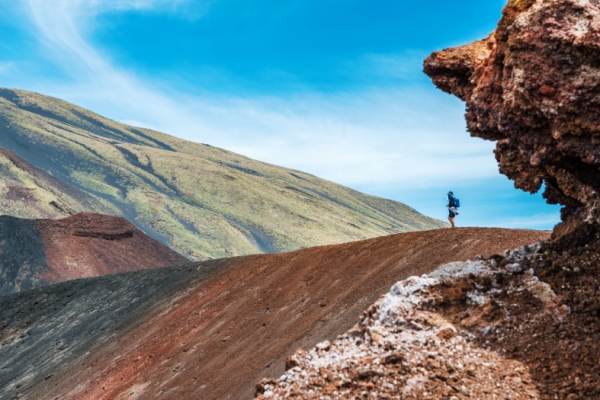
Post-pandemic, outdoor tourism has become a strategic lever through slow tourism, hiking, camping, agritourism and nature trails. Today one in ten Italians pick holidays centered on sports and 53% go on hiking weekends. Slow tourism is becoming a way of territorial promotion that can enhance inland areas, rural villages and Italy’s historical heritage, all of which would otherwise remain marginal. The return to pre-Covid flows (UNWTO 2024) has brought to light critical issues related to tourist overlapping in the most popular locations, and has prompted the adoption of national, regional and local laws and regulations, such as new regulations on sustainable tourism that promote models to protect the environment and local communities. Anti-overtourism measures have also been introduced placing restrictions on access, online bookings and quotas and with the creation of low tourist pressure zones as well as territorial governance to protect cultural identity, the quality of life and environmental sustainability.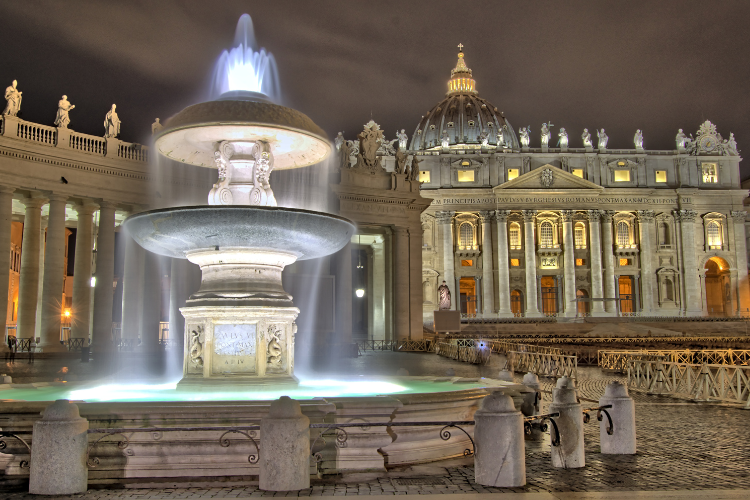
2025 is also a crucial year for the Extraordinary Jubilee of Hope and the 12th Special Olympics World Winter Games which are proving to be instruments of immense tourist appeal. The Italian system is ready to welcome millions of visitors efficiently and with the same warmth and quality of the hospitality Italy showed for the election of the new Pope Leo XIV.
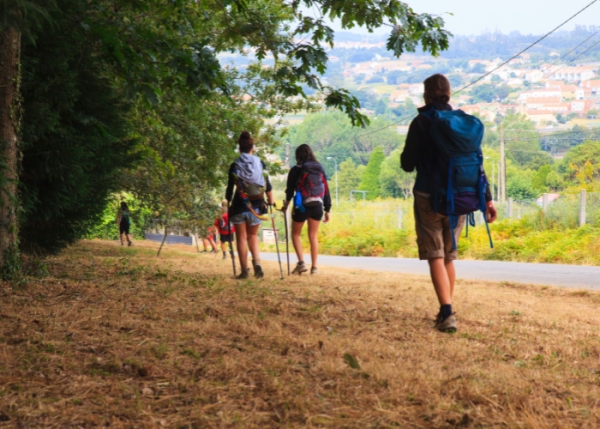
Religious journeys today are not only an expression of faith, but also a desire for material and immaterial culture, spirituality and introspection. In 2024 the Ministry of Tourism counted 113 religious paths, totalling 30,469 kilometres across the country, from the Via Francigena (1,970 kilometres) to the Basilian Way (1,535 kilometres) and from the Way of St. Michael (1,532 kilometres to the Romea Strata (1,400 kilometres) and the Germanica (1,050 kilometres). These itineraries are not just physical routes, but true “inner journeys,” on which the walker seeks spirituality, interiority, a contact with nature and ways of sharing. The multi-sensory dimension - soil, smells, sounds, tastes - becomes an element of sensitivity and personal enrichment.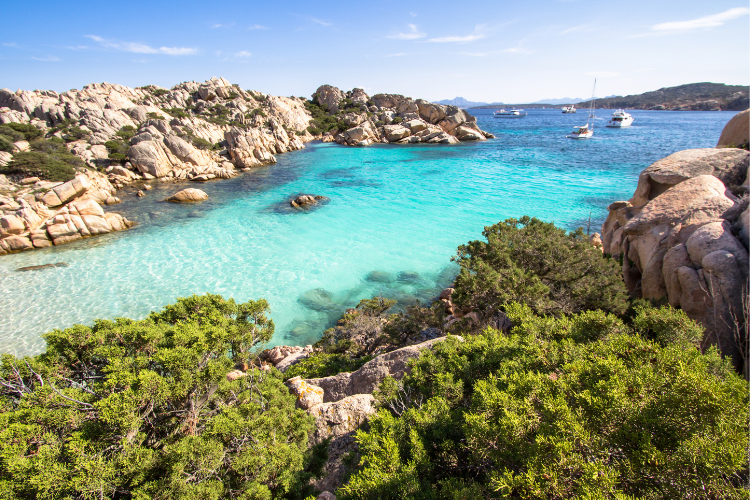
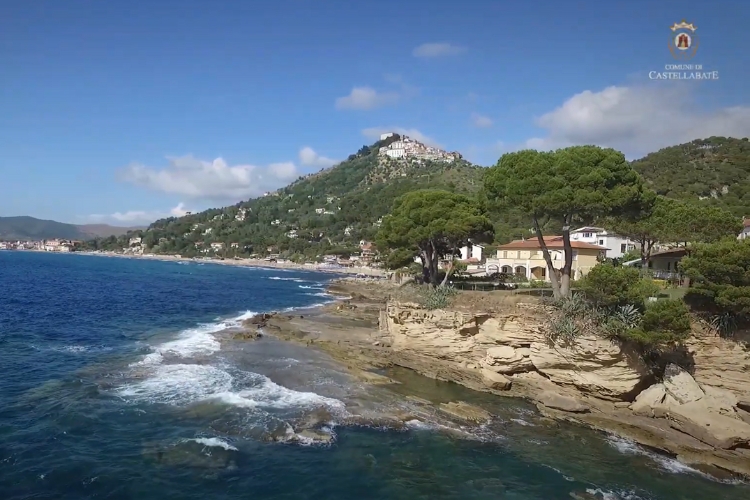
But even the more traditional forms of Italian holidays guarantee the authenticity of the experience for tourists in Italy. Beach tourism on our coasts, such as the Ligurian, Amalfi, Salento, Sicilian, Sardinian, Sardinian, Tuscan, Veneto and Emilia-Romagna coasts, generate €7.6 billion annually from foreign guests alone. There are also the circuits of the most famous art cities: from Rome, Florence and Venice to Naples, Palermo, Genoa and Turin, which attract 19.6 million foreigners, and with a total expenditure of over €19 billion.
But these types of stay are now emerging in a renewed form, integrating classic itineraries with cultural and digital innovations, craftsmanship, food and wine, and design, while respecting local identities and communities. The real challenge of contemporary tourism is not numbers, but human values. We need to offer tailor-made, accessible, multicultural, eco-friendly and inclusive experiences that reply to the needs of diversity, disabilities and different cultures. Holidays must enhance interaction, promote dialogue and strengthen communities, and Italy has the capacity, the places, the sensitivities and the infrastructures to do this. Tourism is no longer just a source of profit to be exploited, but an instrument of growth for local ecosystems and visitors, with positive repercussions on social cohesion, cultural growth and environmental sustainability.
In 2025 Italy was a destination at the forefront of sustainability, combining tradition and innovation, hospitality and responsibility, tourism and authenticity by optimizing its appeal, respecting the environment and placing the territory and communities at the centre. By making slow tourism, cycle-tourism, spiritual walks as well as quality seaside and cultural tourism the basis of sustainable tourism models it addresses the global challenge through innovation, as is exemplified by the Jubilee and the Olympics, while ensuring effective governance, security, and hospitality. Guided by sustainability, authenticity, and personal experience, Italian tourism today drives wellbeing, growth, and future prospects, making Italy a place where every visitor can pause, regenerate, and feel welcome, for themselves, for the community, and for the world.